Avoid fines: parking suspensions for removals in RM14
Posted on 12/07/2026
Moving day in RM14 can be busy enough without a parking ticket turning up on the windscreen. If your removal van is squeezed into a tight residential road, a bay is in use, or neighbours are already circling for spaces, a parking suspension can be the difference between a smooth move and a very expensive headache. This guide explains avoid fines: parking suspensions for removals in RM14 in plain English, so you can plan properly, protect your budget, and keep the whole day calmer than it might otherwise feel. Truth be told, the parking side of a move is often the bit people leave too late.
Below, you'll find how parking suspensions work, why they matter in RM14, what steps to take before move day, and the mistakes that catch people out. We'll also cover practical examples, a simple checklist, and a few useful pointers that sit neatly alongside local moving prep, like decluttering before the move and packing techniques that keep the day running on time.
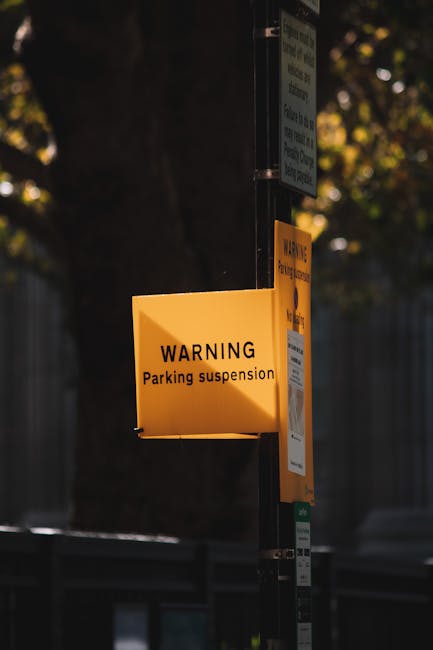
Why Avoid fines: parking suspensions for removals in RM14 Matters
Parking in RM14 is rarely a background issue on moving day. In a lot of streets, the margin for error is tiny: a van that blocks a bay, sits too close to a junction, or oversteps a loading restriction can create instant problems. A parking suspension helps reserve the space you need, which reduces the chance of penalties and, just as importantly, prevents the move from grinding to a halt while the driver hunts for somewhere legal to stop.
Why does that matter so much? Because removal schedules are built around timing. If the van is forced to park far away, the team spends longer carrying furniture, the risk of damage rises, and the whole job can spill into extra hours. That can lead to extra costs, frustration, and a fair bit of shouting at the wrong box in the wrong room. Nobody wants that. A simple suspension request can save all that drama.
There's also a local reality to think about. RM14 includes a mix of busy roads, narrower residential streets, and places where parked cars already make access awkward. If you're moving in or out of flats, terraces, or older homes, the parking layout can matter just as much as the volume of boxes. For moves involving difficult access, it's worth pairing parking planning with advice from local permit guidance for movers in the area and practical route planning like choosing the best route into RM14 homes.
How Avoid fines: parking suspensions for removals in RM14 Works
In simple terms, a parking suspension is a temporary restriction that reserves a parking space or bay for a specific purpose, usually for a set date and time. For removals, it means the space can be kept available so a removal van can stop close to the property without competition from other vehicles. The exact process can vary by local authority and street type, so the safest approach is to treat it as a planned admin task, not a last-minute scramble.
The move usually follows a fairly predictable rhythm:
- Identify the access point. Work out where the van actually needs to stand, not where you hope it might fit.
- Check the street conditions. Look for bays, yellow lines, pay-and-display areas, resident permits, loading restrictions, or time-limited rules.
- Estimate the timing. A suspension often needs to cover the full loading and unloading window, plus a little buffer. Underestimate it and you may still be forced to move the vehicle.
- Apply in good time. The earlier you sort it, the better. Local processes can take time, and rushing creates avoidable risk.
- Display the details properly. If a suspension is approved, the van and crew must still follow any instructions exactly. A notice being issued does not mean common sense goes out the window.
In practice, the most successful removals are the ones where parking is treated as part of the move plan. That's especially true if you're also using a service such as man and van support in Upminster Bridge or arranging a larger team through house removals in Upminster Bridge. The bigger the move, the more valuable close access becomes.
A small but important point: parking suspension rules are not the same as a permit for your own car. People mix those up all the time. A permit may help you park a resident vehicle; a suspension temporarily blocks a space for the removal vehicle. Different purpose, different outcome, different paperwork. Easy to muddle, easy to regret.
Key Benefits and Practical Advantages
Handled properly, parking suspensions do much more than keep fines away. They make the whole moving day more efficient and less stressful. That sounds obvious, but you really do feel the difference when the crew can park where they need to, load smoothly, and avoid that awkward dance of moving trolleys around rows of parked cars.
- Reduced fine risk: the most obvious benefit, but also the one with the quickest budget impact if ignored.
- Shorter carry distances: fewer steps, fewer corners, fewer chances to bump furniture.
- Better timekeeping: a close parking spot keeps the schedule tighter and usually kinder to everyone involved.
- Safer loading: less carrying over long distances can reduce strain and handling errors.
- Lower stress: one less moving-day problem means you can focus on rooms, keys, inventory, and getting settled.
- Cleaner neighbour relations: a properly planned suspension is less likely to cause complaints or awkward doorstep conversations.
There's another practical advantage people don't always mention: better parking access can make specialist items easier to handle. If you're moving a piano, a freezer, or a heavy sofa, close van access can be a big deal. For those kinds of items, this sits naturally alongside reading about piano relocation and careful sofa storage and handling.
Expert summary: if your move involves a van stopping on a busy street in RM14, treat parking as a core part of the removal plan, not an afterthought. The closer and more legitimate the access, the fewer surprises you'll face on the day.
Who This Is For and When It Makes Sense
This matters for almost anyone moving in RM14, but it becomes particularly useful in certain situations. If your property sits on a road with limited parking, if you rely on a van needing immediate doorstep access, or if neighbours already make parking tight, a suspension can save a lot of friction.
It's especially relevant for:
- House movers in streets where parked cars make loading difficult.
- Flat movers where the entrance is shared and access time is limited.
- Older residents who need less carrying distance and a calmer pace.
- Families moving at peak times when the street is already busy.
- Businesses and offices shifting equipment or furniture on a working day.
- Anyone moving bulky or awkward items where every extra metre matters.
It also makes sense if you're on a tight timeline. Maybe you have a chain, a key handover, school runs, or a same-day move and you simply cannot afford delays. In those cases, a suspension can be part of a wider logistics plan that includes same-day removals in Upminster Bridge, the right removal van size, or broader removal support.
To be fair, if you're moving from a property with its own drive or very easy off-street access, you may not need a suspension at all. The trick is not to assume. Check the street properly first. A five-minute look outside can save hours of hassle later.
Step-by-Step Guidance
If you want to avoid fines and reduce friction, the process needs a bit of structure. Nothing fancy. Just sensible planning.
1. Assess the street and loading point
Start with the actual location of the move. Stand where the van would need to stop and ask yourself: can a vehicle park here legally and safely? Can doors open? Is there room for the ramp? Will pedestrians still pass? The answers tell you far more than a vague postcode-level assumption ever will.
2. Decide whether a suspension is really needed
Sometimes a loading bay, a private forecourt, or a short-term arrangement with a neighbour is enough. Sometimes it isn't. Use the simplest option that still keeps the move legal and efficient. If the road is tight or the van would otherwise need to double-park, suspension is usually the cleaner route.
3. Build the parking request into your moving timeline
Leave enough time for approval, notices, and any back-and-forth. If you organise the move one week ahead, parking administration may become the bottleneck. That's when stress starts to creep in, and nobody needs that on top of packing tape and forgotten kettles.
4. Match the parking window to the move window
It's tempting to book the narrowest possible time slot. Resist that. Moves rarely behave like clocks. Someone is still wrapping glassware, the lift is busy, or the sofa catches on a stair turn. Give yourself breathing space. A practical buffer is not wasteful; it is insurance against chaos.
5. Make the property ready for quick loading
A well-prepared property reduces the time the van needs to stay parked. Boxes stacked near the exit, furniture dismantled where appropriate, and a clear hallway all help. If you want a smoother path, pair the parking plan with getting the home ready before moving day and
There is no useful link for that last bit, so let's keep it plain: good preparation shortens the job and reduces exposure to parking issues.
6. Confirm what the driver needs on arrival
The person driving the van should know exactly where to stop, what signs to look for, and whether any bay restrictions apply. A quick message with a photo of the street can help more than a long explanation typed in a rush at 6:40 in the morning.
7. Keep evidence and references handy
If a suspension, permit, or reference number has been issued, keep the details accessible. You may not need them. But if a warden or resident asks a question, being able to show the paperwork calmly is better than fumbling through emails while everyone is waiting.
Expert Tips for Better Results
Here's the practical side that often makes the real difference. Small decisions, done early, usually beat big heroic efforts later. Moving day has a way of exposing every loose end, so the goal is to keep loose ends to a minimum.
- Plan around school runs and commuting traffic. RM14 roads can feel very different at 8am than they do mid-morning.
- Use photos of the parking spot. It helps avoid misunderstandings about bay length, kerbs, and turning space.
- Keep one person responsible for parking admin. Too many helpers means too many versions of the plan. One owner, less confusion.
- Allow for weather. Rain changes loading speed, grip, and patience. Simple as that.
- Combine parking with packing discipline. If the loading point is clear and boxes are labelled well, the suspension works harder for you.
- Check the route, not just the address. A property may be fine, but the approach road may be awkward. This is where local route knowledge helps.
One quiet trick: if you're moving furniture that is awkward or heavy, try to park as close as possible to the entrance on both collection and delivery sides. That works especially well for items like beds, wardrobes, and delicate pieces. You may find it useful to review the practical guide to moving a bed and mattress before the day arrives.
And don't forget the human side. A polite chat with neighbours the day before can save a lot of noise on the day itself. Not always necessary, but often appreciated. People are usually more relaxed when they know a van will be there for a short, planned window rather than a mystery blockage appearing out of nowhere.

Common Mistakes to Avoid
Most parking problems in removals are predictable. That's the annoying part. They are usually caused by small assumptions, not dramatic disasters.
- Leaving parking planning too late. This is the big one. It turns manageable admin into panic.
- Assuming a space will be free. In RM14, a "likely" space is not the same as a reserved space.
- Booking the move before checking access. The service may be excellent, but the street might still be the issue.
- Forgetting the van's dimensions. A space that suits a car may not suit a removal vehicle.
- Ignoring narrow turning space. Even if parking looks fine, the approach may be awkward.
- Not accounting for delays. Lifts, stairs, and last-minute packing all add time.
- Mixing up permits and suspensions. They solve different problems.
- Failing to brief the moving team. Good admin is wasted if nobody on site knows the plan.
There's also a subtle mistake: assuming parking is only a legal issue. It isn't. It affects lifting distances, safety, speed, and even how tired everyone feels at the end. A van parked 30 metres away may not sound like a major issue until you are carrying a washing machine in light drizzle and the day is already running late. Then it feels major, very quickly.
Tools, Resources and Recommendations
You do not need a toolbox full of fancy equipment to manage parking for a removal, but a few practical aids help:
- Phone camera: take photos of the bay, signs, and access point.
- Calendar reminders: set two reminders, one for booking and one for the move day itself.
- Printed or saved notes: keep the vehicle reference, time window, and contact details together.
- Measuring tape: useful if you're unsure whether a bay or frontage is long enough.
- Labels and floor plans: these speed up loading and reduce van time on the street.
Recommended related reading can also make the whole move easier. For example, if you are trying to reduce the number of items that need moving, read how decluttering eases moving day. If your move involves awkward or large pieces, moving bulky items on narrow streets gives a useful local angle.
And if you are still comparing moving support options, it can help to look at removal companies in Upminster Bridge and the wider services overview so you can match the level of support to the complexity of your access.
Law, Compliance, Standards, or Best Practice
Parking suspensions sit within local parking control and highway management arrangements, which means the exact rules can vary by council and by street. It's best to treat the official process as something to verify rather than guess. That means checking any local instructions on timing, signage, bay markings, and whether vehicles need to be moved at the start of the suspension period.
From a best-practice perspective, there are a few principles worth following:
- Apply early enough to allow processing time.
- Make sure the request matches the real moving window.
- Keep the road safe for pedestrians and neighbours.
- Do not rely on informal arrangements alone if legal restrictions remain in place.
- Brief the moving team so they follow the approved setup exactly.
If your move involves vulnerable access, steep steps, or a lot of heavy lifting, good practice also means protecting people as well as parking space. That is where quality removal planning matters. A responsible mover should think about route safety, load handling, and insurance-aware procedures. You can see that approach reflected in pages like health and safety policy information and insurance and safety guidance.
For environmentally conscious households, parking planning can also support greener moving habits by reducing wasted mileage and repeated trips. That ties neatly into recycling and sustainability commitments when you are clearing out items or cutting down what needs transporting.
Options, Methods, or Comparison Table
There is more than one way to manage moving-day parking. The right choice depends on access, street layout, and how much risk you are comfortable carrying.
| Option | Best for | Pros | Trade-offs |
|---|---|---|---|
| Parking suspension | Busy streets, tight bays, doorstep loading | Reserves space, reduces fine risk, improves speed | Needs planning and may involve formal approval |
| Informal neighbour arrangement | Quiet streets or very short loading periods | Simple and flexible if everyone agrees | Not reliable if the space is needed suddenly |
| Private driveway or forecourt | Homes with off-street access | Usually easiest and least stressful | Not available to every property |
| Short loading stop without suspension | Very controlled, low-traffic situations | Quick if the street allows it | Higher risk of parking enforcement issues |
For many RM14 moves, the parking suspension is the most dependable option when the road is tight. If access is easy and off-street, you may not need one. The key is matching the method to the property, not trying to force a one-size-fits-all answer. That rarely ends well, does it?
Case Study or Real-World Example
Imagine a family moving out of a two-bedroom terrace in RM14. The road has a row of parked cars on both sides, and the pavement is busy with school traffic in the morning. They first assumed the van could wait outside for a few minutes while boxes were brought down. In reality, the van would have blocked the lane and made it hard for another vehicle to pass. Not ideal.
So they changed tack. They checked the street layout, arranged a parking suspension for the moving window, and set the load-out time for late morning when traffic had eased a little. They also pre-packed the largest items near the front door, labelled boxes clearly, and dismantled the bed the night before. The result was not magical. It was just organised. But it made a huge difference: quicker loading, less pressure, and no scramble to move the van every few minutes.
What stood out most was not the paperwork. It was the calm. One of those moving days where, by 10:30, you can actually hear the tape dispenser instead of someone asking, "where did we put the kettle?"
If the move had included extra-heavy items, they could have paired that parking plan with specialist handling from furniture removals in Upminster Bridge or a more focused service like flat removals in Upminster Bridge. Sometimes the best solution is just the one that reduces lifting and walking distances at the same time.
Practical Checklist
Use this checklist a few days before the move. It keeps the parking side from slipping through the cracks.
- Confirm the exact moving date and time window.
- Check where the van needs to park at both properties.
- Look for residents' bays, loading restrictions, and yellow lines.
- Decide whether a parking suspension is needed.
- Allow enough lead time for any request or approval.
- Take photos of the street and parking position.
- Share the plan with the removal team or driver.
- Prepare the property so loading is fast and direct.
- Keep any reference numbers or notes easy to find.
- Re-check the arrangement the evening before moving day.
A useful companion habit is preparing your belongings so the van can get in and out quickly. If you want a smoother moving sequence, it is worth reading packing tips that reduce delays and choosing the right packing and boxes support.
Conclusion
Parking suspensions may not be the most glamorous part of a move, but in RM14 they can be one of the smartest. They help you avoid fines, protect the timetable, reduce carrying distances, and keep the whole day more manageable. In a neighbourhood where space can be tight and schedules are usually under pressure, that matters a lot more than people realise at first.
The best approach is simple: check the street early, plan the parking properly, brief everyone involved, and build a little buffer into the day. Do that, and you are far less likely to be caught out by a ticket, a blocked bay, or a van parked half a street away. A bit of admin now saves a lot of grief later. Honestly, that's the whole game.
Get a free quote today and see how much you can save.