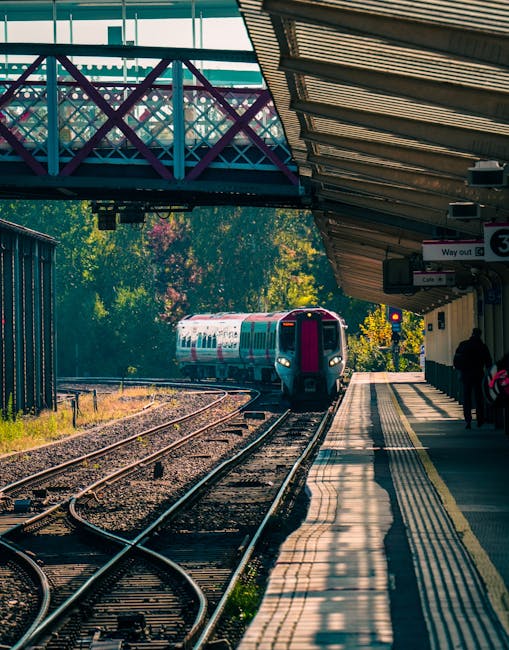
Best Removal Routes from Upminster Bridge Station to RM14 Homes
Posted on 07/05/2026
If you are planning a move from Upminster Bridge Station to an RM14 address, the route matters more than many people expect. A smooth run can save time, reduce handling stress, and make arrival easier for everyone involved. The best removal routes from Upminster Bridge Station to RM14 homes are not just about the shortest distance; they are about access, traffic patterns, vehicle size, loading conditions, and the practical realities of moving day.
This guide breaks the journey down in a clear, usable way. You will find route planning advice, local moving considerations, packing and lifting support, and the kind of details that help a move feel organised rather than chaotic. If you want a broader planning resource alongside this guide, you may also find our house move planning tips useful, especially if your move involves stairs, awkward furniture, or tight timings.
Truth be told, a removal route is rarely about one perfect road. It is usually about choosing the safest, most predictable option for the day, then building a little flexibility into the plan. That is where good preparation pays off.
Expert summary: The best route is usually the one that balances access, turning space, parking, and timing-not simply the one that looks shortest on a map.
Why Best Removal Routes from Upminster Bridge Station to RM14 Homes Matters
Route choice affects far more than travel time. For removals, the real challenge is often the last 10 minutes before arrival: can the van stop safely, can items be carried without long distances, and will the driver have enough room to manoeuvre near the property?
RM14 homes can vary widely in access. Some are straightforward, with wider residential roads and practical kerbside stopping. Others may involve busier roads, limited waiting space, narrow side streets, or a short walk from the vehicle to the front door. Choosing the wrong route can create unnecessary delays, especially if the van arrives during a peak traffic period or near school drop-off times.
The route also matters for fragile or awkward items. For example, if you are moving a dining table, a piano, or a tall wardrobe, every extra turn, tight corner, or sudden stop adds risk. This is one reason many people combine route planning with specialist support such as furniture removals services or, where needed, piano removal assistance.
A well-chosen route also helps with timing at the property end. If your new home has a narrow driveway or restricted access, arriving at the calmest time of day can make the difference between a tidy unloading process and a frustrating one.
How Best Removal Routes from Upminster Bridge Station to RM14 Homes Works
In practical terms, route planning for a removal starts with three questions:
- Which roads offer the cleanest access for the vehicle size?
- Where can the van stop legally and safely?
- What time of day is least likely to cause delays?
From Upminster Bridge Station, the route into RM14 will usually be shaped by the exact destination, the size of your removal vehicle, and local road conditions on the day. A small van and a full house move do not behave the same way. A driver can usually be more flexible with a man and van service, while a larger move may need a more deliberate plan and better parking coordination.
Most successful removal journeys follow a simple sequence:
- Confirm the pick-up and drop-off postcodes.
- Check the street layout for both locations.
- Identify likely parking or loading points.
- Decide the best departure window.
- Pack and load items in the right order.
- Leave a buffer for traffic, lifts, and access issues.
There is one more point that is easy to overlook: the route is only part of the move. Loading strategy, packing quality, and lifting technique all influence whether the journey stays efficient. For a refresher on safe handling, see the basics of kinetic lifting and, for more demanding items, independent heavy lifting guidance.
Key Benefits and Practical Advantages
Picking the right removal route is a small decision with a large payoff. The advantages are often felt before the van even leaves the station area.
- Less loading stress: a good stop point means less carrying and fewer awkward handovers.
- Better timing: predictable roads help you plan arrival windows more accurately.
- Lower damage risk: fewer sharp turns and sudden stops reduce the chances of shifting items.
- Reduced fatigue: shorter carry distances save energy during the most demanding part of the day.
- Smoother customer experience: the move feels organised, calm, and professional.
There is also a financial angle. When a route is well planned, the job is less likely to overrun. That matters whether you are booking a straightforward local move, a full house relocation, or a same-day service. If you are comparing options, our pricing and quotes page is a useful place to understand how moving scope and access can influence the final cost.
Another practical benefit is reduced disruption at the destination. Arriving in a predictable manner makes it easier for neighbours, building managers, or family members to prepare for unloading. That is especially helpful in residential streets where parking is tight and patience is limited.
Who This Is For and When It Makes Sense
This kind of route planning helps a wide range of movers, not just people relocating an entire house.
- Families moving from one RM14 property to another and needing a reliable unloading plan.
- Flat movers who need to manage lifts, stairwells, or limited parking.
- Students with smaller loads who still want an efficient, low-stress move.
- Office teams transferring boxes, chairs, and work equipment.
- Anyone moving bulky furniture such as sofas, beds, wardrobes, or white goods.
If you are only moving a few items, a tailored van service may be enough. If you are moving a full property, the route becomes part of a larger plan that includes packing, loading, and property access. For example, someone shifting a flat's contents may benefit from flat removals support, while a larger household may need house removals services.
It also makes sense when your timing is tight. Same-day relocations, key handovers, or short notice arrangements leave less room for guesswork. In those situations, a clear route and a realistic schedule are worth their weight in tape and bubble wrap.
Step-by-Step Guidance
Here is a practical way to plan the route and the move together, without overcomplicating things.
1. Confirm the exact destination in RM14
RM14 covers more than one street pattern, so the exact address matters. A route that works well for one home may be awkward for another. Check whether the property is on a main road, a quiet residential street, or near controlled parking.
2. Review access at both ends
Think about staircases, lifts, kerbs, gates, driveway width, and turning space. If the destination has a narrow approach, it may be better to use a smaller vehicle or split the load in stages.
3. Choose an appropriate departure time
Early morning often gives you more breathing room, but that is not always the best option for every household. Consider school traffic, commuter patterns, and how long you need to prepare the property before loading.
4. Load items in the right order
Heaviest and most stable items should be secured first, with fragile or lighter boxes positioned to avoid movement. This is where good packing makes a visible difference. If you want a deeper guide, our packing advice for house moves is worth reading.
5. Protect the awkward items
Mattresses, sofas, and appliances deserve special attention. They are large, vulnerable to scuffs, and often difficult to handle alone. Helpful related reading includes bed and mattress transport strategies and sofa protection and storage techniques.
6. Keep the unloading plan simple
Before the van arrives, decide where key items should go. That one decision saves a surprising amount of time. A labeled box system also helps, especially if several rooms are being set up at once.
7. Leave buffer time
Even good routes can be interrupted by traffic, roadworks, or parking complications. A sensible buffer keeps the day from feeling rushed.
![A view of a railway bridge with metal trusses painted in light grey, supporting two metal railway tracks running through the middle. The tracks are flanked by wooden sleepers and gravel, extending into the distance with a vanishing point at the horizon. Overhead, there are electrical wires and supporting pylons. The scene is outdoors, with natural daylight illuminating the structure. This infrastructure is part of the transportation routes often utilized during home relocation and furniture transport, and the image is relevant for illustrating the logistics involved in packing, moving, and loading processes that [COMPANY_NAME], such as Man with Van Upminster Bridge, facilitates in residential removals.](/pub/blogphoto/best-removal-routes-from-upminster-bridge-station-to-rm14-homes2.jpg)
Expert Tips for Better Results
In our experience, the best-moving days are the ones where the small decisions were made early.
- Do a quick access walk-through. Stand outside the property and imagine where the van will stop. It sounds obvious, but it catches issues fast.
- Label priority boxes clearly. Essentials such as kettle, chargers, bedding, and basic tools should be easy to reach.
- Use the right vehicle size. Too small means extra trips; too large can create parking headaches.
- Protect floors and doorframes. Simple covers or blankets can prevent avoidable marks on arrival.
- Keep valuables with you. Documents, keys, medicines, and small electronics should not be buried in the van.
- Communicate access constraints early. If the property has a tight turn, low arch, or loading restriction, say so before moving day.
If you are uncertain about lifting technique, it is wise to review safe handling before the move. The same applies if you are carrying one heavy item repeatedly. Small mistakes add up quickly. For more support, you may also want to explore kinetic lifting principles and practical heavy lifting confidence tips.
A light but true observation: most removals do not go wrong because of one huge problem. They go wrong because ten small details were left to chance.
Common Mistakes to Avoid
A few recurring mistakes can turn a manageable move into a long day. The good news is that they are easy to avoid once you know what to look for.
- Choosing the route only by distance. A slightly longer road can be faster if it is easier to access.
- Ignoring parking realities. A perfect route is not much help if the van cannot stop safely.
- Underestimating loading time. The travel time may be short, but packing the van well takes real time.
- Forgetting about narrow items. Wardrobes, mirrors, and beds often create the biggest handling issues.
- Not planning for weather. Rain makes surfaces slippery and slows handling.
- Skipping the declutter stage. Taking unnecessary items just wastes space and time. If this sounds familiar, see how to declutter before moving.
Another common mistake is leaving cleaning until the last minute. A tidy property helps with access, protects surfaces, and makes handover smoother. For a practical handover checklist, read steps to a spotless home before you move out.
Tools, Resources and Recommendations
You do not need a warehouse full of equipment to move well, but a few practical tools make a large difference.
| Tool or resource | Why it helps | Best use |
|---|---|---|
| Floor protection | Reduces marks and slips | Entryways, hallways, and stairs |
| Furniture blankets | Cushions large items | Sofas, tables, wardrobes |
| Ratchet straps or secure ties | Keeps the load stable | Vehicle transport |
| Labels and marker pens | Speeds up unloading | Box sorting and room placement |
| Hand trolley or sack truck | Reduces strain | Appliances and boxed loads |
| Route planning app or maps tool | Helps spot traffic and road changes | Journey timing |
For people moving between local areas, service selection matters too. A flexible man with a van option can be ideal for quicker moves, while broader support from removal services is often better for bigger household jobs. If you need temporary space, storage solutions can help bridge the gap between move-out and move-in dates.
For sustainability-minded moves, it is also worth thinking about reuse and disposal. Items that are not worth transporting may be better donated, recycled, or responsibly handled. That is not just tidy planning; it is sensible moving practice.
Law, Compliance, Standards, or Best Practice
For most home removals, the key issue is not a complex legal process but sensible compliance and safe practice. That means parking legally, avoiding obstruction, moving items safely, and respecting building or street rules.
Good practice usually includes the following:
- Do not block access for neighbours, emergency vehicles, or pedestrians.
- Respect any local parking restrictions, permits, or loading limits.
- Use safe lifting methods and suitable equipment for heavy objects.
- Secure items properly in the vehicle to reduce movement in transit.
- Check building rules if you are moving into or out of flats with shared entrances or lift access.
If a move involves specialist items or higher-risk handling, reputable operators should be clear about insurance and safety procedures. It is sensible to review pages such as insurance and safety information, health and safety policy, and terms and conditions before booking. That kind of transparency helps set expectations properly.
Likewise, if you have accessibility needs or limited mobility, the plan should reflect that from the start. A route that looks fine on paper may not be the right choice if it creates unnecessary carrying or unsafe stair access. Good moving practice is about adapting to the person and the property, not forcing a one-size-fits-all solution.
Options, Methods, or Comparison Table
There are a few sensible ways to handle a move from Upminster Bridge Station to an RM14 home. The right option depends on volume, access, timing, and how much help you need.
| Method | Best for | Strengths | Watch-outs |
|---|---|---|---|
| Small man and van | Few items or light household moves | Flexible, quick, practical | May require more trips for larger loads |
| Full removal service | Complete home moves | More support, better for heavier items | Requires more planning and coordination |
| Same-day removal | Urgent or short-notice moves | Fast response and convenience | Less room for changes, often tighter timing |
| Storage-first move | Gap between properties | Flexible handover timing | Extra handling and coordination needed |
If you are weighing up which service type suits you best, it can help to compare the moving day demands of each option. A light student move is very different from a full family relocation. For smaller jobs, student removals may be the right fit. For larger or more complex moves, removal company support may be more appropriate.
Case Study or Real-World Example
Consider a practical example. A couple moves from a flat near Upminster Bridge Station into an RM14 terraced home with limited on-street parking. The first version of the plan looks simple: leave at a convenient time, drive straight there, unload.
But a better plan quickly emerges after a short review. The destination street has narrower access than expected, and the best stopping point is a little farther from the front door than planned. Instead of sending everything in one load with no preparation, the movers:
- pack fragile boxes separately and label them clearly,
- load the heaviest items first for stability,
- move the van slightly earlier to avoid traffic pressure,
- keep tools, documents, and essentials in a separate bag,
- use a second pair of hands for mattress and sofa handling.
The result is not dramatic, but it is exactly what you want from a good removal route: fewer surprises, less waiting, and a calmer unload. If one item needs special care-say, a piano or oversized wardrobe-the couple would be better served by specialist support rather than trying to improvise. That is where planning beats optimism every time.
Practical Checklist
Use this checklist the day before and the morning of the move.
- Confirm both addresses and postcodes.
- Check access, parking, and any loading restrictions.
- Agree the departure time and buffer window.
- Pack essentials separately.
- Label boxes by room.
- Protect furniture and fragile items.
- Keep valuable documents with you.
- Test that large items will fit through doors and stairwells.
- Prepare floor and door protection if needed.
- Share contact details with anyone helping at the destination.
- Review the route before departure in case of roadworks or delays.
- Take a final walk-through so nothing is left behind.
If you are still deciding how much help you need, it may be worth looking at the wider services overview and then matching that to your move size. A small amount of planning now tends to save a lot of stress later.
Conclusion
The best removal routes from Upminster Bridge Station to RM14 homes are the ones that make the move easier in real life, not just faster on a map. Good route choice considers parking, access, vehicle size, traffic timing, and the shape of the property at both ends. When those pieces line up, the whole move feels more controlled and far less tiring.
Whether you are moving a single room, a family home, or a handful of bulky items, the practical goal is the same: protect your belongings, save time, and reduce avoidable friction on the day. That starts with the route, but it continues through packing, lifting, and unloading.
Get a free quote today and see how much you can save.
If you would like to learn more about the people behind the service, visit about us. If you prefer to review support options before booking, start with man with a van in Upminster Bridge or the broader removals Upminster Bridge pages.