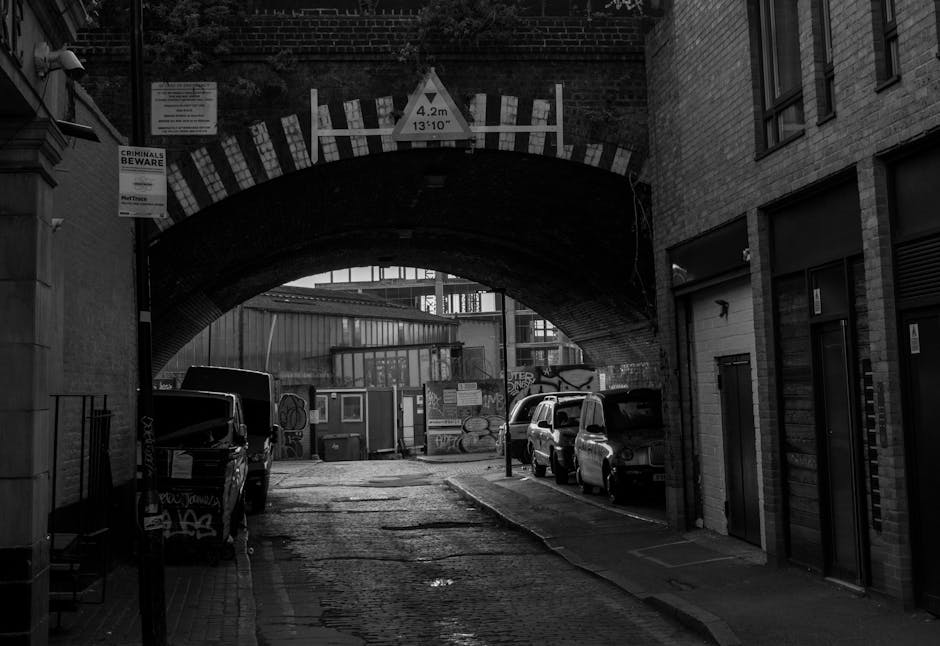
Urgent bulky-item moves on Upminster Bridge's narrow streets
Posted on 06/05/2026
Urgent bulky-item moves on Upminster Bridge's narrow streets: a practical local guide
If you have ever tried to move a sofa, wardrobe, mattress, piano, or heavy appliance through a tight road with parked cars on both sides, you already know the problem. Urgent bulky-item moves on Upminster Bridge's narrow streets are rarely about brute strength alone. They are about timing, access, planning, and keeping the move calm when the street itself seems to be working against you. One wrong turn, one awkward corner, and suddenly a simple job becomes a small logistical drama.
This guide breaks down how to handle those tricky moves properly. You will find the best way to prepare, what makes narrow-street access so awkward, how urgent collections and deliveries are usually handled, and where people most often go wrong. It also links to useful local pages if you want a deeper look at local removals in Upminster Bridge, furniture moving help, or same-day removals support. Let's face it, when the item is too large, too late, or too awkward to wait, you want a plan that actually works.
Why urgent bulky-item moves on Upminster Bridge's narrow streets matter
Upminster Bridge has the kind of streets where access can change from easy to awkward in a few metres. Parked cars, tighter turns, restricted stopping space, and front doors set back from the pavement all make bulky-item handling more difficult than it looks on paper. A sofa that is simple to load in a wide-open driveway can become a real puzzle when the van has to park further away and the carry route snakes past bins, railings, and narrow hallways.
Urgency makes that puzzle harder. A same-day delivery, a replacement bed arriving unexpectedly, a tenant moving out with little notice, or a piece of furniture that must be cleared before decorators arrive all leave less room for trial and error. That is why the planning stage matters so much. You are not just moving an object. You are managing access, timing, protection, and safety in a limited space.
There is also the simple issue of stress. Heavy items are unforgiving. If you rush, you risk damage to the item, the walls, the stairwell, the van, and your back. If you slow down too much, the street may not cooperate, especially where there is limited waiting space. This is where a good local approach makes a real difference.
For people dealing with bulky furniture rather than a whole-house move, it can help to read up on decluttering before moving day and pre-move home preparation. Even a quick clear-out can save minutes you really do not have.
How urgent bulky-item moves on Upminster Bridge's narrow streets works
The process usually starts with a quick assessment of the item and the route. That sounds obvious, but it is where many moving problems are either solved early or left to cause trouble later. A removal team will normally want to know what the item is, how big it is, whether it can be dismantled, where it is located, and what the access looks like at both ends.
In practical terms, the move often follows this pattern:
- Access check: Identify the best parking position, likely walking distance, and any awkward entry points.
- Item assessment: Check dimensions, weight, fragility, and whether the item can be taken apart.
- Protective prep: Use blankets, straps, sliders, wrapping, and floor protection as needed.
- Route planning: Choose the safest path out of the property and towards the vehicle.
- Load and secure: Load the bulky item in a way that stops movement in transit.
- Delivery placement: Unload carefully and place the item where it is needed, not just where it is easiest.
That process is straightforward in principle, but in a narrow street the details matter. A sofa may need to be turned vertically. A mattress may need extra protection from damp ground or rain. A fridge or freezer may need to stay upright as much as possible. A piano is a category of its own, to be fair, because balance and handling matter far more than speed.
If you are moving items within a flat or from a flat to storage, the planning becomes even more important. The page on flat removals in Upminster Bridge is useful if stairs, communal entrances, or limited lift space are part of the picture.
Key benefits and practical advantages
When done properly, an urgent bulky-item move is not just a rescue job. It can save time, reduce damage, and make a difficult day feel manageable. In a busy local area, that matters.
- Less risk of injury: Heavy lifting through tight spaces is one of the easiest ways to strain a back or twist a wrist.
- Better protection for furniture: Good handling protects corners, upholstery, glass, and finishes.
- Reduced property damage: Walls, bannisters, door frames, and floors all stay safer when the route is planned.
- Faster turnaround: A prepared move usually finishes more quickly, which is exactly what urgent jobs need.
- Less disruption to neighbours: Narrow streets can become awkward if vans are blocking access for too long.
- More confidence: You are not standing there wondering whether the item will fit. You know the plan.
There is another benefit that people overlook: reduced decision fatigue. When time is short, every extra problem feels bigger. A clear plan removes a lot of that mental noise. You can focus on the actual move instead of improvising at the kerbside.
Practical summary: In narrow-street moves, the best results come from small, careful decisions made early: measure first, protect the route, choose the right vehicle, and avoid last-minute scrambling.
Who this is for and when it makes sense
This type of move is especially useful for people who need speed without chaos. It is not only for emergency situations, although those are common. It also fits everyday moments where access is awkward and timing is tight.
Typical examples include:
- households replacing a sofa, bed frame, mattress, or wardrobe
- people moving into or out of a flat with narrow stairs or a shared entrance
- students shifting large items at short notice, especially between term dates
- offices clearing desks, chairs, cabinets, or archive units quickly
- customers collecting bulky purchases when the delivery window is limited
- anyone who needs a same-day or next-day solution on a tight street
If the item is unusually heavy, awkward, or fragile, the case for professional help gets stronger. That is especially true for pianos; the local piano removals service exists for good reason. Likewise, beds and mattresses are often far more awkward than they look, so a dedicated bed and mattress moving guide can be useful before you even start.
Truth be told, if you are asking yourself, "Can I really get this done today?" the answer depends less on the item than on the access. Narrow streets are the real variable.
Step-by-step guidance
Here is a practical way to approach the job without overcomplicating it.
1. Measure the item properly
Do not guess. Measure height, width, depth, and any protruding parts such as handles, feet, or fixed shelves. If it is a sofa, measure diagonal width as well. One inch can matter when a doorway is tight.
2. Measure the route, not just the item
Door frames, stair turns, landings, hallways, and vehicle loading space all need attention. A moving item may technically fit, but not rotate. That is where careful route planning saves the day.
3. Decide whether it can be dismantled
Some furniture is far easier if legs, shelves, or headboards are removed. Do not dismantle blindly. Keep screws, brackets, and small fittings in clearly labelled bags. A tiny zip bag has ruined fewer moves than a lot of confidence, honestly.
4. Clear the path inside and out
Move shoes, plants, bins, loose rugs, pet bowls, and anything else that slows the carry. On the street, ask yourself where the van can safely stop and whether the item can be walked out without awkward pauses.
5. Protect surfaces
Use blankets, cardboard, floor runners, or padding where needed. This is especially helpful on tight turns and stair edges. If the item has delicate corners, double up the protection.
6. Load in the right order
Heavy or awkward pieces usually go in first, then smaller items are packed around them so everything stays stable. A good removal van setup helps here, because secure loading is half the battle.
7. Confirm the final placement
At delivery, know exactly where the item should end up. Moving a heavy item twice is the kind of unnecessary fun nobody asked for.
Expert tips for better results
Small habits make a big difference in narrow-street moves. These are the details people usually notice only after something has gone wrong.
- Choose the earliest sensible slot: Mornings can be easier before roads become busier and parking becomes more limited.
- Keep the item dry: If there is drizzle, use covers or wrap items properly before bringing them outside.
- Use lifting technique, not just strength: Good posture and controlled movement reduce strain. The article on kinetic lifting is a helpful companion read.
- Do not rush the corner turns: Most damage happens on the turn, not in the straight line.
- Assign roles clearly: One person guides, one supports, one opens doors or watches obstacles. Too many voices can make a simple move messy.
- Take five seconds to reset: If the route is awkward, pause and reposition. That pause is often the smartest move.
If you are moving a single item on your own, be realistic. The guide on solo heavy lifting can help you judge what is sensible and what is just risky.
One small local observation: on streets like these, the van's positioning often matters as much as the lifting itself. A slightly better parking angle can save a whole extra carry through tight space. Sometimes the boring solution is the best one. Bit dull, very effective.
Common mistakes to avoid
Urgent jobs tend to bring out bad habits. People skip the measurement step, underestimate the weight, or assume the item will "just fit." That is how small problems become expensive ones.
- Guessing dimensions: Never rely on memory or rough estimates.
- Forgetting the turning space: A hallway can be long enough but not wide enough to rotate the item.
- Using the wrong vehicle: Too large can be awkward on narrow streets; too small can force multiple trips.
- Not checking for disassembly options: A few minutes with tools can save a lot of strain.
- Leaving loose items in the route: Shoes, bins, toys, and cables become trip hazards very quickly.
- Ignoring neighbour or street access issues: Blocking someone's driveway or entrance can create avoidable tension.
- Trying to lift awkward items alone: This is where injuries happen. Every year, people learn this the hard way.
For bigger household moves, a little organisation goes a long way. The article on packing techniques for house moves is useful even if you are only dealing with one or two large items. And if you are pairing furniture removal with storage, the advice on storing a sofa properly can save a lot of grief later.
Tools, resources and recommendations
You do not need a warehouse full of kit, but the right few tools can make an urgent move far safer and quicker.
| Tool or resource | Why it helps | Best use case |
|---|---|---|
| Furniture blankets | Protect corners and finishes | Sofas, tables, wardrobes, cabinets |
| Straps or tie-downs | Keep loads stable in transit | Heavy or tall furniture |
| Furniture sliders | Reduce friction on floors | Moving items across indoor surfaces |
| Gloves with grip | Improve handling and reduce slips | Bulky items with awkward edges |
| Measuring tape | Confirms fit before lifting starts | Any move where access is tight |
| Labelled bags and boxes | Keeps hardware and small parts organised | Anything that must be dismantled |
For people who want a smoother overall move, the broader services overview is a sensible starting point. If you need boxes, wrap, or tape, the packing and boxes page helps with the basics. And if the item has nowhere to go yet, consider storage in Upminster Bridge as a short-term buffer.
For frozen appliances or larger kitchen moves, a freezer needs extra care. The note on freezer storage when not in use is surprisingly practical if you are shifting appliances around during a wider move.
Law, compliance, standards and best practice
Not every urgent bulky-item move involves formal paperwork, but the work still benefits from sensible compliance and good practice. In the UK, moving heavy items carries obvious manual-handling risks, so safe lifting matters. That means assessing weight, planning the carry, using suitable equipment, and avoiding unnecessary solo lifting.
Best practice also includes care around access. On narrow residential streets, you should think about where a vehicle can safely stop, whether you are blocking a driveway, and how long loading or unloading will take. If an item or route creates an obvious hazard, it is better to pause and adapt than to push ahead.
If you are hiring help, look for clear communication on pricing, insurance, and safety. The pages on insurance and safety, health and safety policy, and terms and conditions are worth reviewing before you book. That is not just admin. It helps set expectations and reduces awkward surprises.
For customers who want to understand how enquiries are handled, the information on pricing and quotes is a practical place to start. And if you care about waste handling or reusing items, the company's recycling and sustainability approach can also be relevant, especially for old bulky furniture that is not worth keeping.
Options, methods and comparison table
Not every bulky-item move on a narrow street needs the same solution. Sometimes you only need a man and van. Sometimes you need a dedicated removal team. Sometimes speed is the main issue, and sometimes it is the access. Here is a simple comparison to help you think it through.
| Option | Best for | Strengths | Limitations |
|---|---|---|---|
| DIY move | Small bulky items, easy access, very short distance | Lower direct cost, flexible timing | Higher physical risk, more time, less protection |
| Man and van | Single items or a few large pieces | Practical, quick, usually more adaptable | Still needs good access planning |
| Dedicated furniture removals | Fragile, valuable, or awkward furniture | Better handling and protection | May be more structured and require more notice |
| Same-day removals | Urgent collections, late changes, time-sensitive moves | Fast turnaround, fewer delays | Availability can be tighter on busy days |
| Storage-first approach | No immediate destination for the item | Creates breathing room | Requires a second stage later |
If the move is part of a larger home relocation, the house removals service may be more suitable. For office clear-outs or old filing cabinets, the office removals page is the more relevant fit. Different job, different shape of problem.
Case study or real-world example
Picture a late-afternoon booking on a narrow street near Upminster Bridge. A family has bought a replacement corner sofa and needs the old one taken away the same day because the new furniture is arriving before evening. The road is lined with parked cars, and the front door opens onto a tight hallway with one awkward turn into the living room.
The first issue is not the sofa itself. It is the route. The moving team checks the measurements, confirms that the arms can be angled through the hallway, and removes the feet to reduce the width. The van is parked as close as safely possible without blocking drive access. Furniture blankets are placed on the corners, and two people guide the sofa while a third manages the front door and checks for catches on the frame.
There is a moment, around the stair landing, where the sofa looks like it may not clear the turn. That is the part people often panic over. But with a slight tilt, a pause, and a controlled shift in angle, it goes through. Not fast. Just right. The old sofa is loaded, the new one is placed where it belongs, and the room is ready before the evening light fades.
That is the real lesson. Urgent bulky-item moves on narrow streets are rarely about speed alone. They are about making a sequence of small, correct decisions. Nothing magical. Just careful work, and a bit of patience.
Practical checklist
Use this checklist before the move starts. It keeps the job simple when time is tight.
- Measure the item, including handles, feet, and protruding parts
- Measure doors, hallways, stair turns, and any tight corners
- Confirm whether the item can be dismantled
- Clear the route inside the property
- Check the street for parking and loading space
- Protect floors, walls, and corners with blankets or padding
- Prepare straps, gloves, tape, and labels for parts
- Decide in advance where the item will be placed
- Confirm whether you need same-day or scheduled help
- Review insurance, safety, and service terms before booking
If you are still shaping the job, the local man with a van option can suit smaller urgent moves, while removal services in Upminster Bridge are better when the job needs a more complete handover. If you are moving as a student, the student removals page may also be useful for compact but time-sensitive moves.
Get a free quote today and see how much you can save.
Conclusion
Urgent bulky-item moves on Upminster Bridge's narrow streets are manageable when you stop treating them like a simple lift and start treating them like a small access problem. Measure carefully, protect the route, choose the right vehicle or support, and keep the plan realistic. That is how you avoid damaged furniture, strained muscles, and those slightly embarrassing moments when the sofa is halfway through the doorway and everyone goes quiet.
The good news is that once the basics are in place, the move becomes much calmer. Even on a tight street, even with little notice, the right approach can turn a stressful job into a clean, efficient one. And that relief, honestly, is worth a lot.
For readers who want a bit more background before booking, the team's about us page, payment and security details, and complaints procedure can help set expectations in a straightforward way. Clear information makes for a better move. Simple as that.
And if today feels chaotic, start with one measurement, one clear path, one decision. That is usually enough to get the day moving in the right direction.